Category: National

  • Nepal Gears Up for Parliamentary Elections with 81 Days to Go

    Nepal Gears Up for Parliamentary Elections with 81 Days to Go

    Kathmandu — With just 81 days remaining until Nepal’s parliamentary elections, political activity across the country has intensified, signalling a growing nationwide election atmosphere.

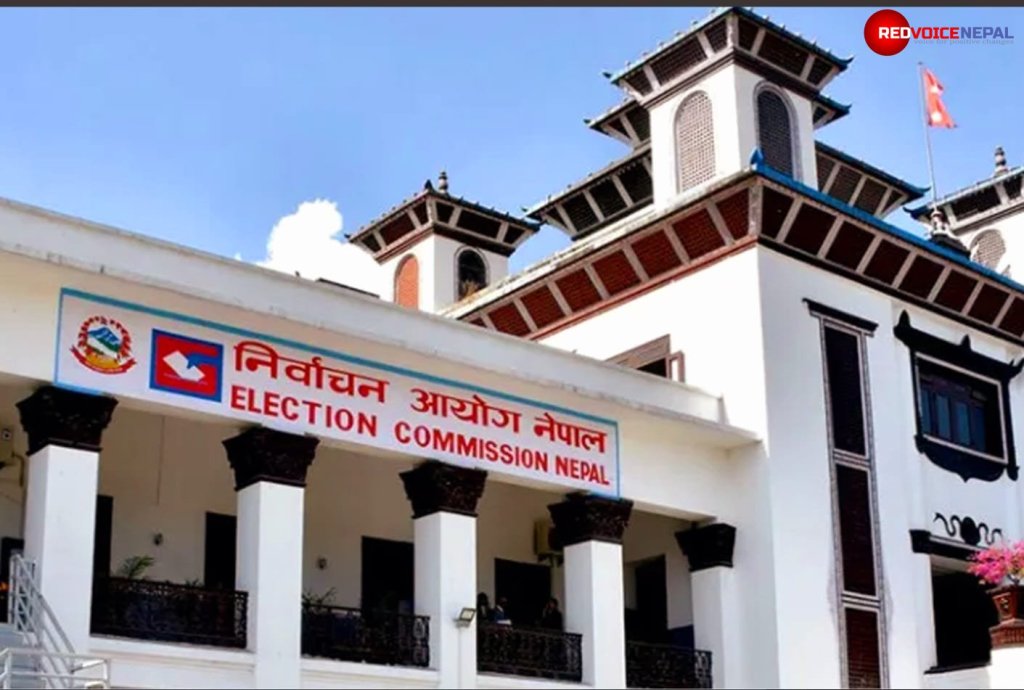
    The Election Commission of Nepal has stepped up preparations, completing the registration process for political parties contesting both the first-past-the-post (direct) and proportional representation systems. The government has also finalised administrative and logistical arrangements to facilitate the polls.

    Major political parties, along with newly formed groups, have launched election-focused campaigns across the country. Political rallies, internal party meetings and candidate selection processes are now gaining momentum, reflecting a shift toward full-scale election mobilisation.

    Congress Leads in Candidate Selection

    The Nepali Congress, the country’s oldest political party, has begun forwarding shortlisted candidates to the central leadership from across the country. The party is selecting candidates for both the direct and proportional systems and has also started choosing candidates for the National Assembly.

    Compared with other parties, the Congress appears to be ahead in finalising its candidate selection process.

    UML Holds General Convention

    Meanwhile, the Communist Party of Nepal (Unified Marxist–Leninist), or CPN-UML, began its 11th general convention on Saturday. Addressing the opening session, party chair KP Sharma Oli questioned whether the UML would ever shy away from elections if conducted in a free and fair environment.

    He urged the government to ensure impartial conditions for the polls and called for an atmosphere that encourages healthy political competition. The UML has already completed party registration and other election-related formalities within the timeframe set by the Election Commission.

    Maoist Centre Intensifies Campaign

    The Communist Party of Nepal (Maoist Centre) has accelerated its election campaign through nationwide mass meetings, known as Sandesh Sabhas. The party recently held a rally in Birendranagar, Surkhet, following similar events in Dhangadhi, Dang, Pokhara, Biratnagar and Janakpur.

    The Maoist Centre is scheduled to hold another major gathering in Kathmandu on January 19. Speaking at the Surkhet rally, party coordinator Pushpa Kamal Dahal ‘Prachanda’ reiterated the party’s commitment to holding elections on the scheduled date and said the party was fully mobilised for the process.

    New Parties Also Active

    The Rastriya Swatantra Party has begun drafting its election manifesto and initiated the candidate application process, particularly for proportional representation seats. The party has been organising public meetings and consultations as part of its election preparations.

    Electoral Framework and Security Arrangements

    For the elections scheduled on March 4, the Election Commission has started determining proportional representation quotas based on population. These quotas will apply to groups including Dalits, Indigenous nationalities, Khas Arya, Madhesis, Tharus and Muslims, in line with constitutional provisions.

    A total of 100 political parties will participate under the proportional representation system, with 93 election symbols allocated after accounting for joint symbol applications. Under the direct election system, 114 political parties are set to compete.

    The Election Commission is also finalising the draft election code of conduct and collecting feedback from stakeholders. On the government’s recommendation, President Ram Chandra Paudel has approved the mobilisation of the Nepal Army for election security.

    Home Minister Om Prakash Aryal has said that all necessary arrangements are in place to ensure that the elections are conducted in a peaceful, free and fear-free environment.

  • Solukhumbu’s Iconic White Peaks Turning Dark as Warming Accelerates

    Solukhumbu’s Iconic White Peaks Turning Dark as Warming Accelerates

    Solukhumbu: Nepal Once known for its dazzling white peaks, icy winds and sky-piercing summits, the Khumbu region is now witnessing rapid and unsettling change. Locals say the snow that defined their landscape for generations is disappearing at an alarming pace.

    “It feels like a different era has begun,” said elderly resident Pasang Sherpa of Khumbu. “Since childhood, the mountains were always white. Now half of them look like bare black rock. The change is happening right before our eyes.”

    Until two decades ago, upper regions including Namche, Khumjung, Tengboche, Lobuche and Gorakshep remained snow covered throughout the year. Today, snowfall periods have shortened, and even the snow that does fall melts far more quickly, said local resident Lamakaji Sherpa.

    Mount Everest, Lhotse, Nuptse, Ama Dablam and Thamserku once blanketed in white now show large, exposed sections of dark rock. The unusual sight surprises tourists, but locals say it has become a new normal.

    “We only realized the severity after visitors repeatedly questioned us,” said Khumjung resident Fudoma Sherpa. “The process is accelerating, and we feel helpless. Who do we ask for answers, and how do we stop it?”

    According to former Sagarmatha National Park conservation officer Bhumi Raj Upadhyay, the thinning of snow cover is a direct result of rising temperatures. Scientists estimate that temperatures in high Himalayan regions have risen by around 1.5 °C since the 1970s.

    Meteorologist Rajan Thapa says the darkening mountain surfaces have several causes: rapidly melting snow, exposed rock from landslides, dry snow patches turning into bare slopes, black carbon deposition, and increasing human activities in the region.

    Local residents have also noticed extreme weather shifts. “Winter used to be harsh but bearable,” said Pema Sherpa of Jorsalle. “Now the cold cuts into your bones, and even summers are so warm that you sweat while standing at the foot of the mountains.”

    Growing Threats: Floods, Glacial Lakes and Falling Rocks

    The region has already witnessed deadly consequences. On a Friday last monsoon, a massive flood in Thame Khola swept away more than 20 houses, damaged schools, health posts, trekking routes, farms and even a hydropower project. The main trekking trail from Phakding to Namche was severely eroded.

    Tourism the backbone of Nepal’s economy and the lifeline of Khumbu faces growing threats as climate stress intensifies. Glacial lakes in the region, including Fereche, Imja and Khumbu basins, are expanding rapidly. Imja Lake alone has grown by 65% in the past two decades, a sign of accelerating melt.

    “We once heard stories of glacial lake outburst floods,” said local resident Pashi Lama. “Now we live in constant fear. As the lakes grow, our villages, bridges and trails are all at risk.”

    Changing Lives and Landscapes
    Traditional Himalayan life from herding patterns to water use and farming is shifting as snow declines. Streams and rivers that once ran throughout the year are now drying during winter. The Dudh Koshi and Imja Khola swell only during monsoon, while dry season water scarcity has become common.

    Trekking guides say unpredictable weather has made routes more hazardous, with increased risk of rockfalls, landslides and avalanches. “The plans we made in the past don’t work anymore,” said guide Bal Darnal. “The weather is too uncertain, and we must take far more precautions for tourists.”

    Climbers fear the region’s identity itself could be at stake. “These mountains define who we are,” said mountaineer Speedkaji Sherpa. “If this continues, the Khumbu we know may disappear.”

  • Minister Kharel Calls for Unified Action to Curb Digital Violence

    Minister Kharel Calls for Unified Action to Curb Digital Violence

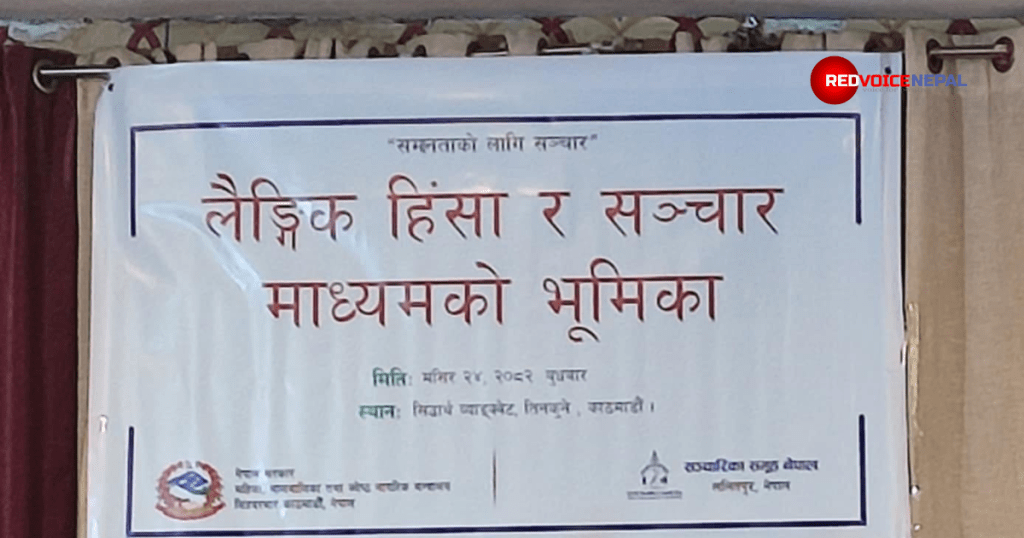
    Kathmandu: Minister for Communications and Information Technology Jagadish Kharel has stressed the need for collective and serious efforts to address the growing problem of digital violence. Speaking at an interaction on “Gender Based Violence and the Role of Media,” organised by Sancharika Samuha Nepal in Kathmandu. He said women journalists face dual risks in the digital space, making their safety and awareness particularly crucial.

    Minister Kharel noted that digital violence is becoming increasingly subtle and invisible, urging the media to produce safe content, practice responsible reporting, and strengthen advocacy to minimise online harm. “Even if one feels safe at home, the content appearing on mobile phones and social media can create a sense of insecurity,” he said. “A deeper conversation on the responsible use of technology is now essential.”

    Highlighting society’s gradual move towards equality, he said the rising presence of women in politics, administration and the media sends a strong positive message. Recalling a conversation with former President Bidya Devi Bhandari, Minister Kharel remarked that the journey of women leaders reflects the broader struggles and contributions of Nepali women.

    As government spokesperson, he also stated that the government has been advancing more than 25 major corruption-related cases and is working to ensure timely elections, in line with commitments to good governance and transparency.

    Secretary of the Ministry of Communications Radhika Aryal, Sancharika Samuha president Kamala Panthi, WWJ president Ramkala Khadka and Press Council Nepal member Nima Kafle also underlined the need for coordinated action to curb both digital and workplace based violence.

  • High-Level Inquiry Panel May Legally Compel Oli, Lekhak to Testify

    High-Level Inquiry Panel May Legally Compel Oli, Lekhak to Testify

    Kathmandu: Nepal’s high level commission investigating the incidents of 23 and 24 Bhadra has begun questioning senior officials responsible for policy decisions, but two of the most prominent figures former Prime Minister KP Sharma Oli and former Home Minister Ramesh Lekhak have yet to appear.

    With the commission’s mandate ending on 5 Poush, and only two weeks remaining, officials say the panel may resort to legally compelling their attendance if they continue to refuse.

    Commission spokesperson and former AIG Bigyan Raj Sharma confirmed that statements from nearly 150 individuals, mainly field level officers and administrators have already been taken. Still pending are statements from former PM Oli, former Home Minister Lekhak, former Home Secretary Gokarna Mani Duwadi, Nepal Army Chief Ashok Raj Sigdel, and Nepal Police IGP Dan Bahadur Karki.

    The commission had earlier advised restricting the travel of Oli and Lekhak, preventing them from leaving the Kathmandu Valley without permission. Oli, however has repeatedly called the commission “unconstitutional” and has refused to appear.

    “We will formally notify them first,” Sharma said. “If they still do not appear, we will begin legal procedures and request the government to ensure their attendance.”

    Home Minister Om Prakash Aryal said the government is ready to assist if asked: “No one is above the rule of law.”

    UML’s Deputy General Secretary Pradeep Gyawali reiterated the party’s objection, saying the commission “lacks impartiality,” and therefore Oli will not participate.

    This week, Armed Police Chief Raju Aryal was questioned, with the commission indicating he may be recalled. Former police chief Chandra Kubera Khapung and former Kathmandu CDO Chhabi Rizal accused of authorizing the firing on protesters in New Baneshwor have also been interrogated.

    Senior officers from Nepal Police, Armed Police Force, the National Investigation Department, and the Federal Parliament Secretariat have already given statements.

    The commission is preparing to question Army Chief Sigdel next, saying the military must clarify its presence around key state institutions during the incidents.

    The inquiry body plans to begin drafting its final report within the week, though it may request a short extension if required.

    Formed under former Supreme Court Justice Gauri Bahadur Karki, the commission is mandated to investigate human and material losses during the protests, identify causes, recommend preventive measures, and outline an implementation plan.

    Though armed with significant legal powers including the ability to seize documents or detain individuals previous commissions have rarely exercised such authority.

    With only days remaining, the commission faces intense pressure to complete its interrogations and submit its report on time.

  • Community Homestay Launched in Toripani to Boost Rural Tourism

    Community Homestay Launched in Toripani to Boost Rural Tourism

    MYAGDI: A community-run homestay has begun welcoming visitors in Toripani, Beni Municipality–9, in a move local residents hope will boost rural tourism and household income.

    The Sayapatri Community Homestay, launched across five households, can host up to 21 guests a day. The homes of Juna Khatri, Rashmi Chokhal, Sujana Chokhal, Yuva Giri and Jamuna Shrestha have been adapted to receive visitors, according to the group’s chairperson, Sita Khatri.

    She said the aim was to offer guests a family-like environment while showcasing local culture and traditions. “With the growth of tourism, we plan to expand the homestay to more households,” she added.

    Each participating home has built separate guest rooms equipped with beds, mattresses and toilets. One or two rooms in each house are reserved for visitors, many of which offer views of surrounding mountain ranges.

    Toripani is home to diverse ethnic communities and is known for its natural scenery, biodiversity and cultural heritage. Visitors can observe traditional rural lifestyles and take part in local cultural programmes.

    Meals feature locally produced food, including Gauriya Gudura rice, millet and buckwheat dumplings and bread, timur chutney, local chicken, goat meat and dairy products. “All vegetables, fruits and animal products are grown in the village itself,” said homestay operator Yuva Giri. Guests are also treated to performances such as Yanimaya dances, Panchebaja music and devotional songs.

    The area is especially known for timur, or Sichuan pepper, which has become a signature feature of the homestay. Visitors are given small gift packs containing timur and local produce to take home. A night’s stay costs Rs 1,500.

    The initiative has been supported by Eco Himalaya, which provided training and infrastructure assistance. Its director, Narayan Dhakal, said each household received materials worth Rs 70,000, while the group received an additional Rs 200,000. The organisation is also helping promote and improve the quality of local timur production.

    Toripani lies at an altitude of about 1,750 metres and offers views of the Dhaulagiri, Annapurna, Machhapuchhre and Manapathi ranges, particularly at sunrise and sunset. The village is about nine kilometres north of Beni Bazaar and can be reached by a 30-minute drive.

    Road access is improving, with a blacktopped road already connecting Beni to Kirakhor, and further sections toward Toripani under construction.

    Nearby attractions include Todke, the historical Dholthan Durbar and several religious sites. Dholthan once served as a monsoon capital during the Baise–Chaubise era, and its ruins remain. The village also lies close to Galeshwor Shivalaya Temple, regarded as a gateway to Muktikshetra.

  • Prachanda calls for asset probe of all high-ranking officials since 1990

    Prachanda calls for asset probe of all high-ranking officials since 1990

    Prachanda has renewed his call for a thorough investigation into the assets of all individuals who have held high public office since 1990, stressing that major corruption cases must be examined without bias. Speaking on International Anti-Corruption Day, he said the fight against corruption is a continuous struggle requiring transparency, accountability and active public oversight.
#RedVoiceNepal #Prachanda #AntiCorruptionDay #NepalPolitics #GoodGovernance #CorruptionFreeNepal

    Kathmandu: Nepal Communist Party (NCP) coordinator Pushpa Kamal Dahal, Prachanda has renewed his call for an investigation into the assets of all individuals who have held high public office since 1990, Nepal’s restoration of multiparty democracy.

    In a message issued on Tuesday to mark the 22nd International Anti-Corruption Day, Mr Dahal said that all major corruption cases discussed so far should be subjected to impartial investigation, alongside a comprehensive review of the wealth accumulated by senior officials over the past three decades.

    He said he had previously raised the issue from the floor of parliament and was reiterating the demand on the occasion of the international day. Stressing the need for administrative reform, transparency in public procurement, an end to impunity and stricter measures against money laundering, Mr Dahal also highlighted the role of active public oversight in combating corruption.

    Reflecting on his tenure as prime minister, Mr Dahal said his government had placed good governance at the center of state policy. He claimed that firm actions taken in the name of accountability had challenged the interests of brokers, middlemen and corrupt actors, leading to what he described as a conspiracy to bring down his party-led government.

    Despite this, he said, several key standards of good governance had been established during that period. Investigations into major corruption scandals, including the Bhutanese refugee case, were pursued without political bias, according to the statement.

    Mr Dahal said the fight against corruption was not a one-day campaign but a continuing struggle. He added that International Anti-Corruption Day should serve as a reminder of collective responsibility towards transparency, accountability and the goal of building a corruption-free, prosperous and socialist Nepal.

  • Nepal marks International Day of Persons with Disabilities

    Nepal marks International Day of Persons with Disabilities

    Nepal marks the 34th International Day of Persons with Disabilities today, with events and awareness campaigns taking place across the country.
This year’s theme “Fostering disability-inclusive societies for advancing social progress” highlights the need for dignity, inclusion and equal opportunities for all.

Let’s work together to build a society where everyone can participate fully and live with respect and independence.

#InternationalDayOfPersonsWithDisabilities #IDPD2025 #DisabilityInclusion #EqualityForAll #InclusionMatters #RedVoiceNepal

    Kathmandu: Nepal is marking the 34th International Day of Persons with Disabilities with a series of events and awareness campaigns across the country.

    Government bodies and organisations working in the disability sector have organised programmes highlighting the rights, inclusion and welfare of persons with disabilities.

    The UN-designated Day has been observed annually since 1992 to promote the dignity, rights and wellbeing of people living with disabilities.
    This year’s theme is “Fostering disability-inclusive societies for advancing social progress.”

    In a statement, the UN Department of Economic and Social Affairs said people with disabilities continue to face significant barriers globally, including higher rates of poverty, limited access to decent employment, lower wages, inadequate social protection particularly in informal sectors and restricted autonomy within care systems. It also noted persistent challenges in accessing assistive technologies and inclusive environments.

    Nepal’s constitution guarantees persons with disabilities the right to live a dignified life, but rights groups say continued efforts are needed to ensure meaningful inclusion.

  • Nepali Congress Sets 15th General Convention for January 10–12, 2026

    Nepali Congress Sets 15th General Convention for January 10–12, 2026

    KATHMANDU: The Nepali Congress has announced that its 15th General Convention will be held from 10 to 12 January 2026, following weeks of internal negotiations.

    Party spokesperson Dr Prakash Sharan Mahat said the Central Working Committee (CWC) finalized the dates on Monday after nearly six weeks of deliberations. The committee had been stalled for more than 40 days amid disagreements between factions favouring a main convention and those pushing for a special convention.

    According to Mahat, the establishment faction proposed holding the convention within January, a proposal that the committee endorsed unanimously.

    The party has also decided to return applications related to active membership reviewed earlier by the preliminary scrutiny panel back to the committee for further verification. Applications for new memberships and renewals will be examined again, with 29 December set as the final submission deadline.

    Mahat said the party aims to ensure inclusivity in distributing new and active memberships. Only those who secure active membership status will be eligible to take part in the convention.

    The CWC has additionally extended the tenure of the current working committee originally set to expire on 9 December until February, allowing a one-month grace period ahead of the convention.

Choose Your Language »