KATHMANDU: Chinese Ambassador to Nepal Zhang Maoming has reiterated Beijing’s commitment to supporting Nepal’s economic growth and development, pledging continued cooperation across key sectors, including infrastructure, health, education, trade, industry and energy.
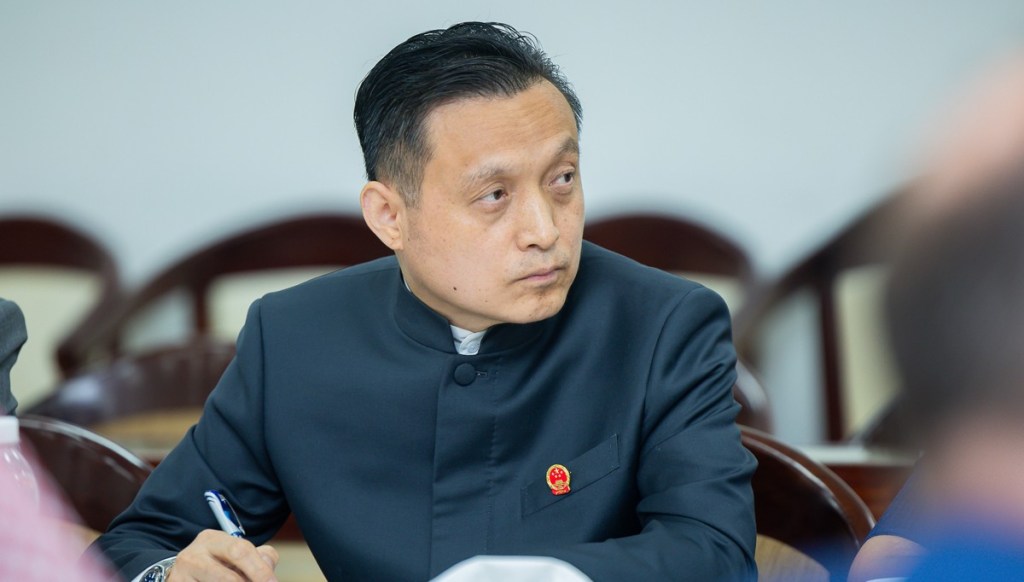
Speaking at an interaction with Kathmandu-based media editors on Thursday, Ambassador Zhang described Nepal as an important priority in China’s neighbourhood diplomacy and said Beijing would continue to extend its support to the country’s development and prosperity.
The discussion also focused on regional and international developments, including the recent meeting of the Communist Party of China’s Central Committee and the 33rd Asia-Pacific Economic Cooperation (APEC) summit held in Shenzhen.
Addressing Nepal-China border connectivity, Zhang said preparations were underway to partially resume operations at the Tatopani border crossing along the Araniko Highway from next week.
He said regular operations remained difficult due to challenging geographical conditions. However, arrangements were being made to operate the checkpoint one or two days a week until a permanent alternative could be established.
Recalling the devastating floods in the Bhotekoshi River on August 26, which caused casualties and extensive damage on both sides of the border, the ambassador said Nepal and China had cooperated in rescue, relief, rehabilitation and reconstruction efforts.
He also said road construction and blacktopping work was progressing on the route connecting the Korala border point with Jomsom. Regarding the Rasuwagadhi crossing, Zhang said China was ready to initiate the necessary process after receiving a formal proposal from the Nepal government.
On Nepal’s domestic situation, the Chinese envoy expressed optimism about the country’s political and economic direction. He said recent efforts to strengthen political stability, control corruption and improve governance had created favourable conditions for development.
Zhang also stressed the importance of expanding Nepal-China relations beyond government-to-government engagement, calling for stronger cooperation among political parties, institutions and ordinary citizens of both countries.
He pointed to an ongoing visit to China by a parliamentary delegation comprising leaders of the ruling Rastriya Swatantra Party (RSP), as well as representatives from civil service, professional organisations and civic groups, describing such exchanges as an opportunity for mutual learning.
Discussing China’s recent Communist Party Central Committee meeting, Zhang said the discussions had emphasised people-centred development, internal democratic practices, anti-corruption measures, good governance and disciplined administration.
He added that effective management, political commitment, balanced diplomacy and the application of knowledge, information and technology were essential to achieving sustainable development and prosperity.
The ambassador also highlighted the importance of the 33rd APEC meeting, which concluded in Shenzhen on Thursday, amid rising geopolitical tensions and uncertainty in the global economy.
Referring to conflicts and tensions involving major powers, including the Russia-Ukraine war and developments in the Middle East, Zhang said international political disputes had significant economic and social consequences.
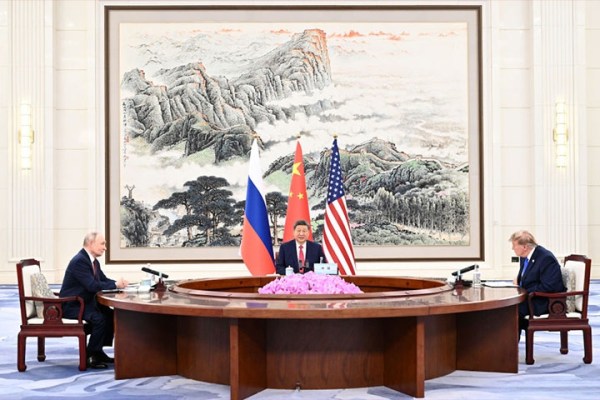
He expressed hope that discussions among leaders of major economies, including China, the United States and Russia, would help strengthen international cooperation and contribute to global peace, stability and shared prosperity.