Over Rs 10 Million Worth of Mobile Phones Seized During SEE Destroyed Instead of Being Returned
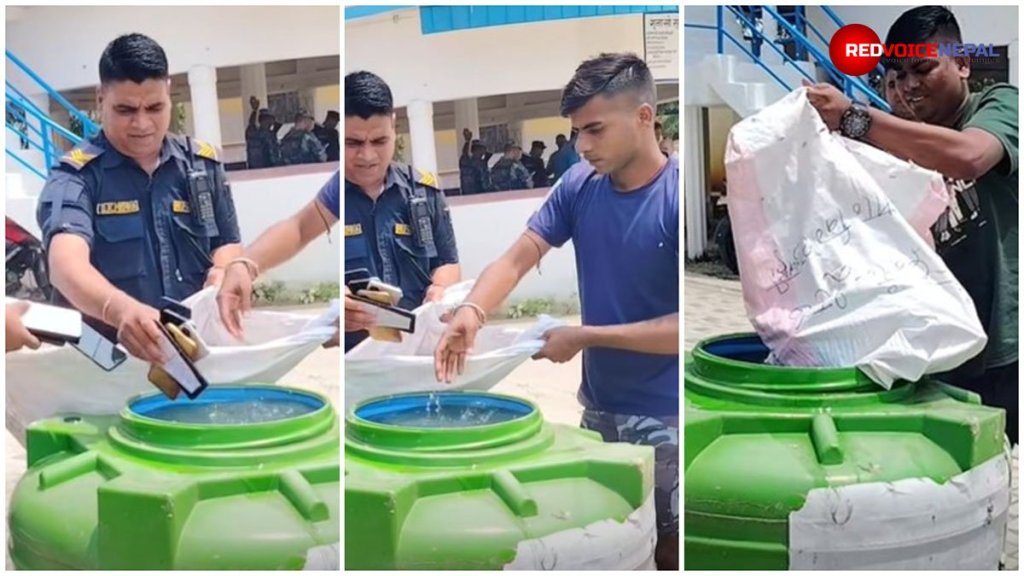
Kathmandu: More than Rs 10 million worth of mobile phones and smartwatches confiscated during the Secondary Education Examination SEE have been destroyed at the premises of the District Administration Office in Siraha in the presence of local representatives, education committee officials, and journalists.
The destroyed devices included seven iPhones, 489 Android smartphones, and five smartwatches, with an estimated market value exceeding Rs 10 million.
The decision follows a previous announcement by former Madhesh Province Education Minister Rani Sharma Tiwari, who had stated that mobile phones found being used during examinations would be destroyed.
Citing violations of examination guidelines, the district coordination committee decided to proceed with the destruction.
To manage the confiscated devices, a five-member subcommittee was formed under the leadership of Rajdev Yadav, a section officer at the Education Development and Coordination Unit.
Representatives from the district administration, police, and the National Investigation Department were also included in the panel.
Police reportedly submerged most of the mobile phones in water filled drums for 24 hours before destroying them. Waterproof devices were broken apart and immersed in water to ensure they could not be reused.
According to Deputy Superintendent of Police DSP Ramesh Kumar Pal, the decision was made collectively by the coordination committee and was not a unilateral action by the police.
Chief District Officer CDO Surendra Paudel argued that auctioning the confiscated phones could pose future security risks.
However, after videos of the destruction surfaced online, the move drew strong criticism on social media. Many users argued that the devices should have been returned to parents after imposing appropriate fines or disciplinary measures.
Critics have also said that destroying expensive phones purchased through the hard work of parents ignored humanitarian and practical considerations, sparking a broader debate over the proportionality of the punishment.