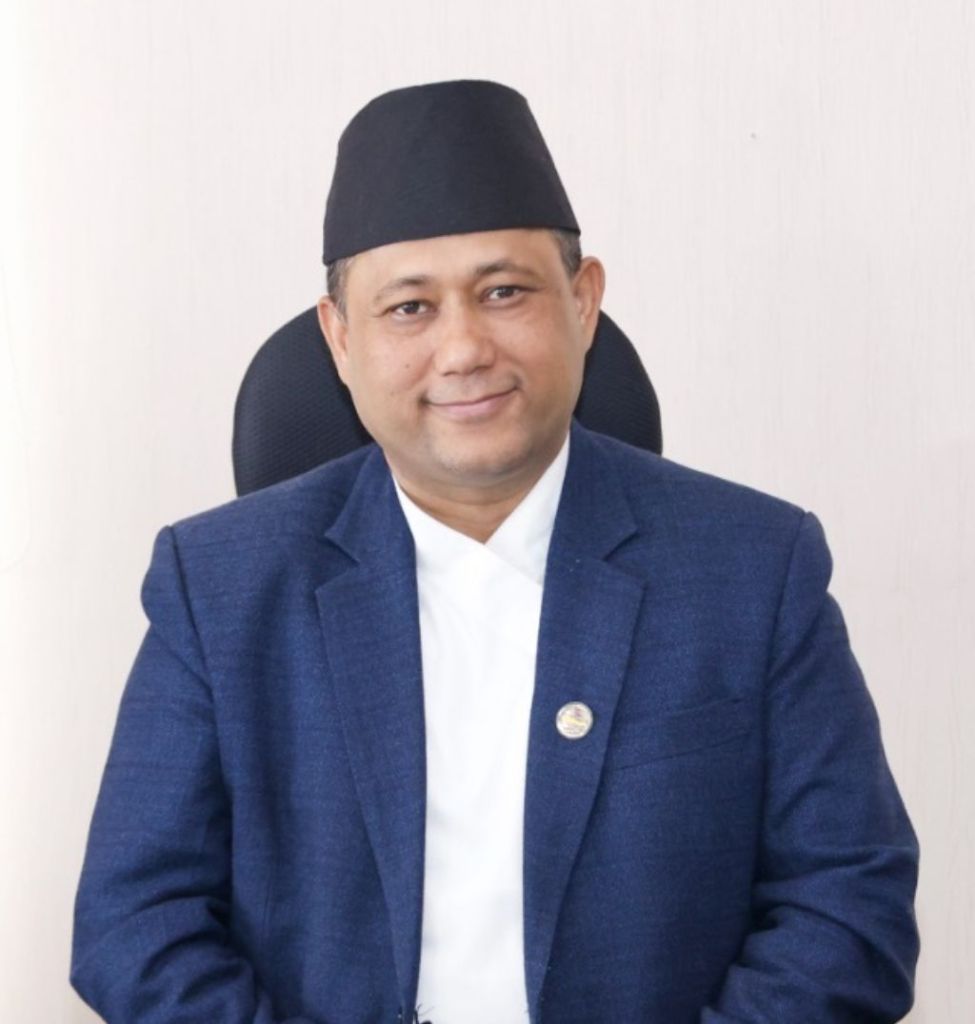
ANTALYA: Foreign Minister Shisir Khanal has called for stronger diplomatic preparations, continuous international engagement and greater cooperation among countries to strengthen Nepal’s influence in global climate negotiations.
Speaking to the Rastriya Samachar Samiti (RSS) on Friday on the sidelines of the 31st Conference of the Parties (COP31) to the UN Framework Convention on Climate Change (UNFCCC), Khanal highlighted the challenges Nepal faces in getting its climate priorities recognised at international forums.
He pointed out that climate negotiations are complex because decisions are made through consensus among participating countries, each having different interests and priorities. Therefore, he stressed that Nepal must prepare well in advance and involve relevant stakeholders to effectively present its positions.
Khanal said Nepal had made an effort to bring mountain-related concerns into the formal COP negotiation agenda for the first time. However, the country’s proposal was not formally incorporated into the official agenda, despite continued discussions and consultations led by the conference leadership.
He said progress had been made on several issues important to Nepal, including keeping global temperature rise within 1.5 degrees Celsius, securing predictable grant-based climate finance and strengthening research and action plans targeting mountain regions.
“Saving the Himalayas requires limiting global temperature rise to 1.5 degrees Celsius, which demands a strong global commitment,” he said.
The minister also highlighted ongoing discussions on establishing a dedicated Mountain Work Programme and expanding scientific research into the effects of climate change on mountain ecosystems.
Such a programme could provide a coordinated framework for climate financing, research and adaptation initiatives in mountainous areas, he added.
Khanal further called for improvements in international climate financing arrangements, arguing that vulnerable countries should receive timely resources for climate adaptation and mitigation rather than having to wait until disasters occur.
He said complicated administrative procedures frequently delay financial support following climate-related disasters, making it necessary to simplify the funding process.
“Climate finance should be simple, predictable and grant-based,” he emphasised.
Khanal also stressed that Nepal needs to strengthen its institutional capacity and maintain diplomatic engagement throughout the year rather than limiting negotiations to the period of international climate conferences.
He said early consultations with different countries to understand their priorities and concerns would help Nepal build stronger alliances and secure greater support for its climate agenda.