KATHMANDU: Nepal has called for stronger international cooperation to tackle climate change and its impacts across the interconnected mountain, freshwater and ocean systems.
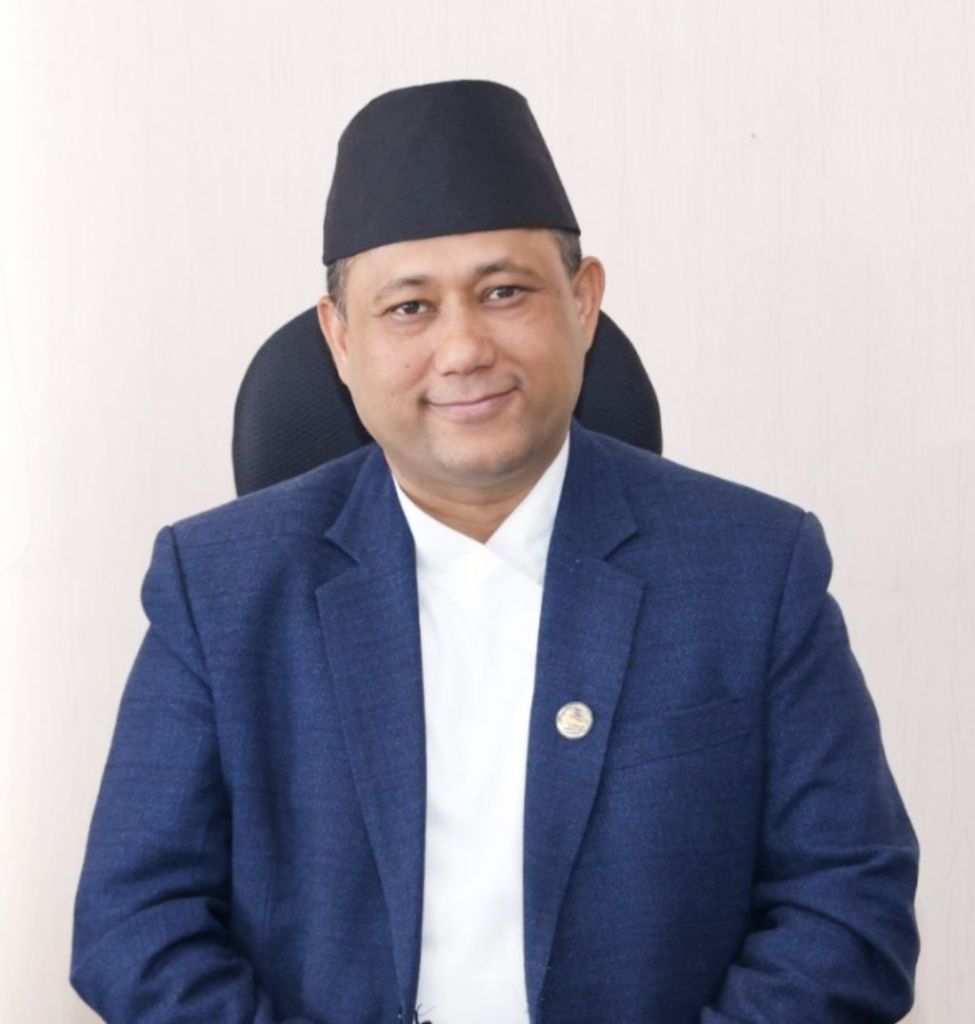
Addressing a special event hosted by Nepal at the United Nations Headquarters in New York, Foreign Minister Shisir Khanal said climate change does not respect political borders and that mountains, rivers, seas and coastal regions must be treated as parts of one interconnected ecosystem.
The event, titled “From Everest to the Sea: A Call to Action for a Climate-Resilient Future,” was held as Nepal seeks greater international attention to the growing climate risks facing the Himalayan region and communities downstream.
Khanal referred to a recent climate-related disaster in the Langtang region, where a massive volume of rocks and glacial ice fell last month, causing significant damage to lives, property and critical infrastructure. According to his personal secretariat, he described the incident as a “Himalayan tsunami” and called for an urgent and sustained international discussion on climate-induced disasters.
The minister said the Himalayas contain the largest concentration of ice outside the polar regions, with more than 63,700 glaciers originating in the region. He noted that Nepal has lost around one-third of its ice cover over the past three decades, warning that accelerating glacier loss is increasingly affecting downstream and coastal communities.
Khanal said rising sea levels, coastal erosion and displacement faced by island and coastal nations are directly connected to changes taking place in the mountains. He therefore stressed the need to recognize mountains and oceans as interconnected parts of the global climate system.
He called for stronger integration of the links between mountains, freshwater resources and oceans into climate science, policymaking and investment. He also urged the international community to give greater priority to mountain ecosystems and accelerate emissions reductions in line with the goal of limiting global warming to 1.5 degrees Celsius.
Khanal further stressed the need for developing countries to receive adequate, predictable and easily accessible climate finance, technology and capacity-building support. He called for the loss and damage fund to become fully operational and adequately resourced.
“Climate justice is realized when the level of responsibility, capacity and risk is reflected in the assistance received by countries,” he said.
The Foreign Minister also highlighted Nepal’s efforts to contribute to climate mitigation and environmental protection. He said forests cover around 46 percent of Nepal’s total land area, while hydropower production and electric transportation are expanding.
He added that the government has placed emphasis on community-led approaches to environmental protection and natural resource management.




Continue to comment