Category: National

  • Mixed Reactions to Government’s Policy and Programme: Hope, Challenges and the Test of Implementation

    Mixed Reactions to Government’s Policy and Programme: Hope, Challenges and the Test of Implementation

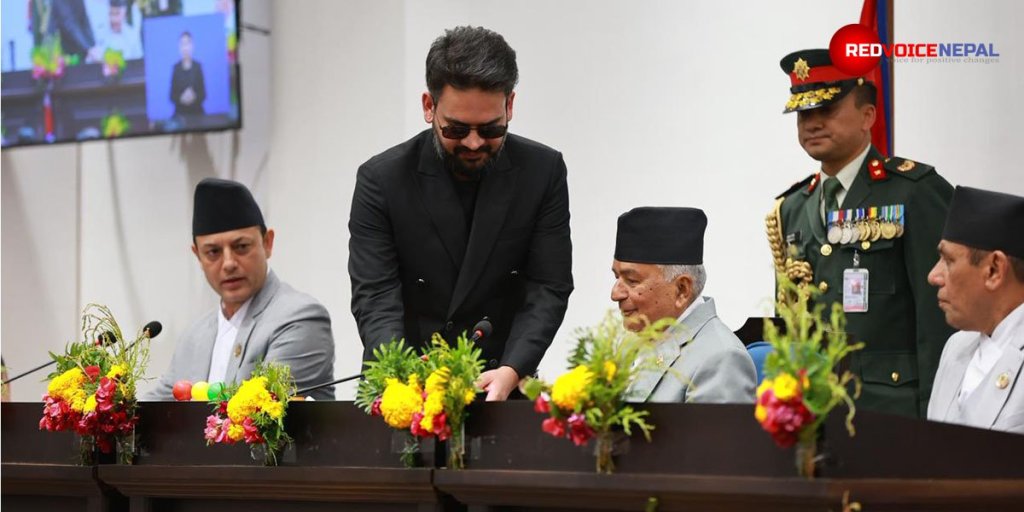
    Kathmandu: The government’s policy and programme for the fiscal year 2083/84 has triggered wide political and economic debate with many viewing it as an indication of the administration’s future direction amid expectations of good governance, alternative leadership and a new political approach.

    Presented in Parliament by President Ram Chandra Poudel, the 100 point policy document prioritizes information technology, green economy, energy, agriculture, tourism, startups and small enterprises. It also outlines goals including graduation to a middle income country, investment friendly policies, improved public service delivery and strengthened governance.

    The document has drawn mixed reactions since its unveiling. Opposition parties have described it as a continuation of traditional policies, while ruling coalition leaders have defended it as a foundation for gradual reforms and economic improvement.

    Senior opposition leader and lawmaker Arjun Narsingh KC criticised the programme, saying many of the commitments have been repeatedly included in previous government plans without producing meaningful change.

    Economist Dilli Raj Khanal said the programme contains some positive indicators but lacks a clear roadmap for long term structural transformation. He noted that Nepal’s sluggish economy, declining private sector confidence, rising unemployment and inflation require more concrete and targeted measures.

    The government, however, maintains that the programme is aimed at economic reform, greater private sector participation and the creation of new opportunities in the energy sector. According to economist KP Pandey, policies allowing greater private sector involvement in electricity trade, flexibility in transmission line policies and efforts to improve the investment climate could prove significant if implemented effectively.

    Measures related to tax reform, control of under invoicing and relief for the middle class have also been viewed positively by some experts, who believe they could help stimulate the economy if executed properly.

    A separate political discussion emerged after Prime Minister Balen Shah briefly left Parliament while the President was reading the policy document. Opposition leaders criticised the move, while government supporters described it as a routine administrative matter.

    Analysts say the public is now more focused on results than promises, amid growing frustration over unemployment, inflation, migration and weak public service delivery.

    Economist Kusum Shakya said the success of the policy and programme will ultimately depend on implementation, noting that Nepal has long struggled not with policy formulation but with execution.

    Despite the mixed reactions, observers say the policy and programme has highlighted both opportunities for reform and the challenges ahead. The government’s biggest test, they say, will be its ability to translate commitments into visible results for the public.
  • Parliament Built on the Blood of Thousands of Martyrs: Prachanda

    Parliament Built on the Blood of Thousands of Martyrs: Prachanda

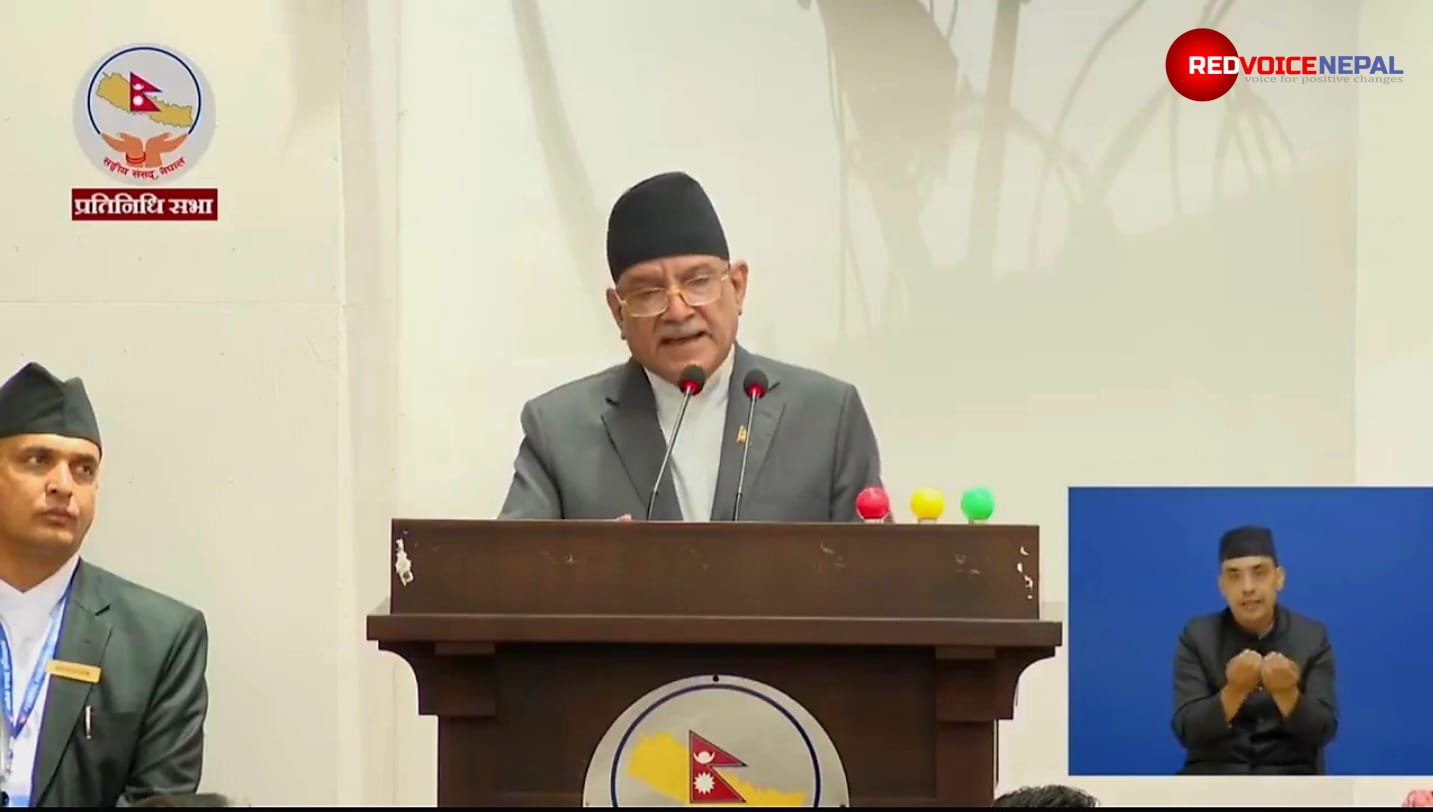
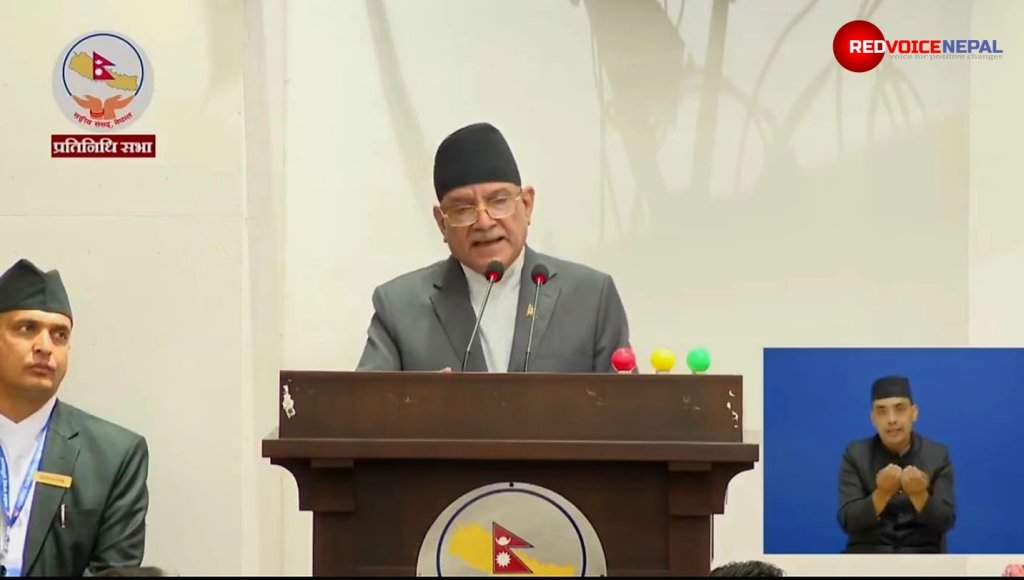
    Kathmandu: Pushpa Kamal Dahal Prachanda coordinator of the Nepal Communist Party and former prime minister said the present Parliament was built on the sacrifices of thousands of martyrs from across the country.

    Addressing the House of Representatives on Monday Dahal said the Parliament building may appear to be made of cement, bricks and iron from the outside but its foundation is rooted in the sacrifices of countless martyrs.

    “This rainbow Parliament, representing every class, caste, gender and community is the result of struggle and sacrifice. We once took up arms and launched movements for this inclusive representation,” he said.

    Becoming emotional during his speech Dahal added that every wall of the Parliament carried the legacy of sacrifice and struggle.

    He paid tribute to martyrs, disappeared persons, injured fighters and campaigners involved in armed movements, peaceful protests and recent youth led movements.

    Dahal also congratulated Rastriya Swatantra Party for its electoral success saying the party had secured an “almost two thirds majority” in the election.

    “I extend special congratulations to party president Rabi Lamichhane and Prime Minister Balen Shah for this achievement,” he said.

    The leader elected from Rukum East also thanked voters and the Nepali people for their support.

    Congratulating all newly elected lawmakers, Dahal said public representatives carried the responsibility of protecting the achievements gained through sacrifice and struggle.

    He warned that forgetting the sacrifices behind the political transformation could weaken the very institution of Parliament itself.

    “The day we forget those great sacrifices, this building itself will collapse,” Dahal said.

  • Federal Government Pushing Poor Citizens Toward Displacement: Acharya

    Federal Government Pushing Poor Citizens Toward Displacement: Acharya

    Bardiya: Chet Narayan Acharya, Chief Minister of Lumbini Province, has expressed serious concern that the federal government’s current approach is creating conditions that could displace poor and vulnerable citizens.

    Speaking at an interaction programme held in Madhuwan Municipality on Tuesday with representatives of various organisations and political parties, Acharya accused the federal government of using its parliamentary majority against marginalised citizens. He warned that such tendencies would ultimately benefit no one.

    “From now itself, everyone must think seriously and act responsibly. At the very least, people should be able to distinguish who is right and who is wrong before moving forward,” he said.

    Acharya stated that efforts were previously underway to resolve the problems of landless squatters, with some already receiving land ownership certificates while others were in the process of obtaining them. However, he claimed those initiatives had now been halted under the pretext of “not proceeding.”

    He further said political parties had earlier warned about the possibility of such a situation emerging in the country, adding that the government had weakened democratic movements instead of addressing people’s concerns.

    The chief minister alleged that the first target of the government’s actions had been landless squatters and unmanaged settlers. Rather than seriously resolving issues related to unplanned settlements, he said, the state had begun pushing people toward homelessness.

    Acharya also urged the federal government not to act arbitrarily and called for greater sensitivity in addressing the problems faced by landless people, squatters and unmanaged settlers.

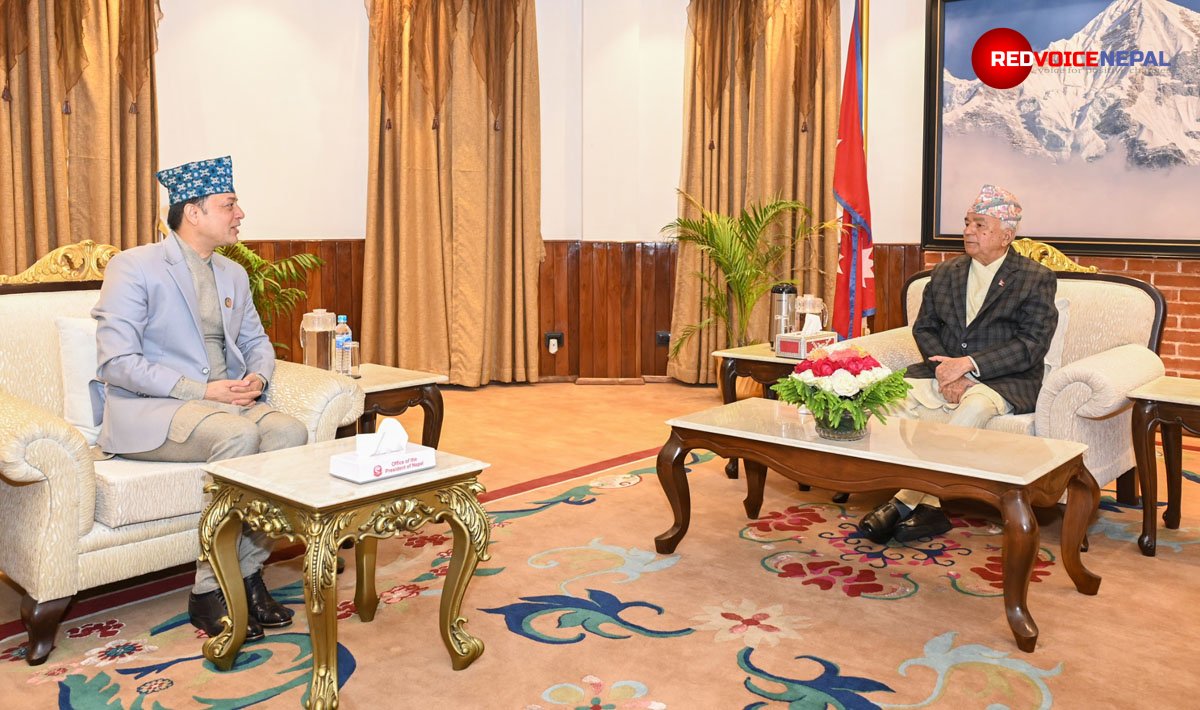
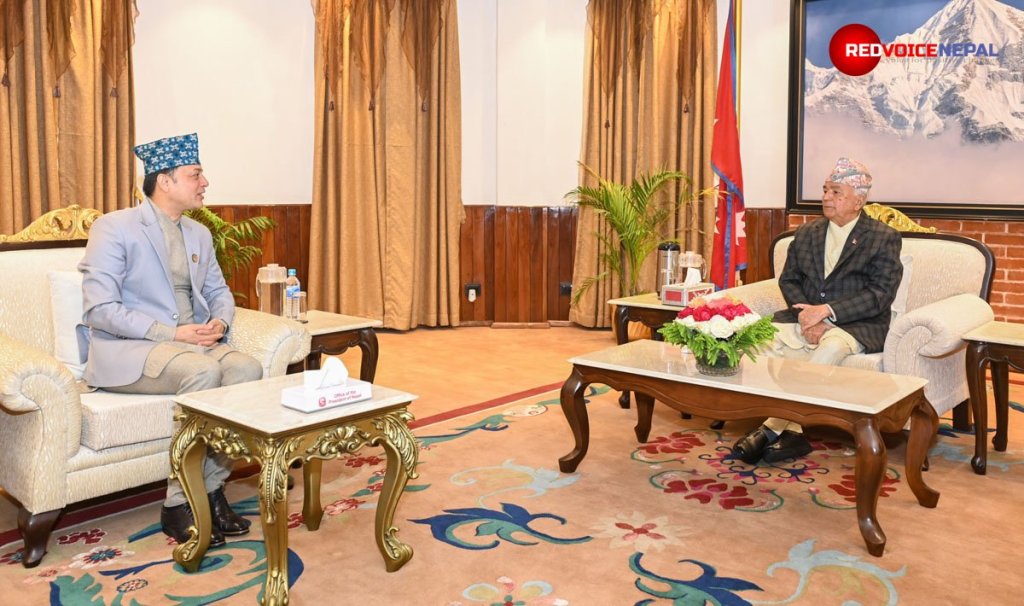
  • President Paudel Meets Speaker Aryal After PM Shah Walks Out of Parliament

    President Paudel Meets Speaker Aryal After PM Shah Walks Out of Parliament

    Kathmandu: President Ram Chandra Poudel on Tuesday summoned Speaker Dol Prasad Aryal to Shital Niwas following controversy surrounding Prime Minister Balen Shah walking out of Parliament during the presentation of the government’s policy and programme.

    According to the President’s Secretariat, the two leaders discussed recent political developments during the meeting held at the presidential residence.

    However, the Speaker’s Secretariat has not disclosed details of the discussion publicly.

    The controversy erupted after Prime Minister Shah left the joint session of the Federal Parliament on Monday while President Paudel was still presenting the government’s policy and programme for the upcoming fiscal year 2026/27.

    The incident triggered criticism from opposition parties and political analysts, who described the move as inappropriate and against parliamentary norms.

    Speaker Aryal has also faced criticism, with some lawmakers accusing him of failing to maintain parliamentary decorum and discipline during the House session.

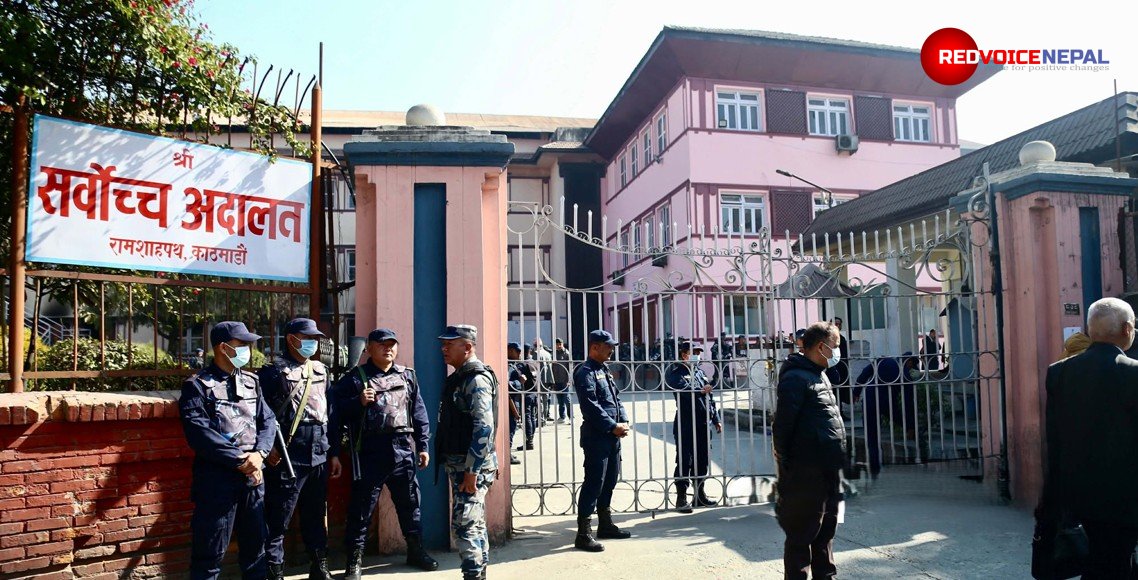
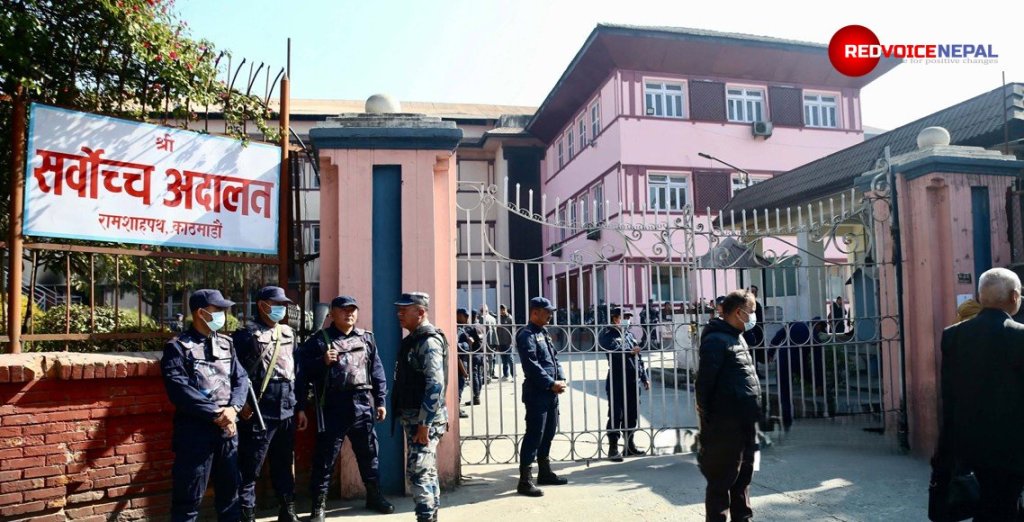
  • Supreme Court Issues Interim Order Against Ban on Student Unions

    Supreme Court Issues Interim Order Against Ban on Student Unions

    Kathmandu: The Supreme Court has issued a short term interim order directing the government not to implement its decision to remove student unions from universities for the time being.

    The order was issued on Monday by a single bench of Justice Shreekant Paudel. The court has also summoned both parties for further discussion before deciding whether to grant an interim order.

    The government had introduced an ordinance to remove student unions from universities and dissolve the Free Student Union FSU.

    Challenging the decision, leaders from various student organisations including ANNFSU chairperson Deepak Dhami, filed a writ petition at the Supreme Court on April 25, demanding the annulment of the government’s decision.

    The Office of the Prime Minister and Council of Ministers has been named as the defendant in the case.

    During the hearing, the Supreme Court also issued a show cause order, asking the government to explain why the order sought by the petitioners should not be granted.

  • If Squatters Are Not Human, Then You Are Not a Government Either

    If Squatters Are Not Human, Then You Are Not a Government Either

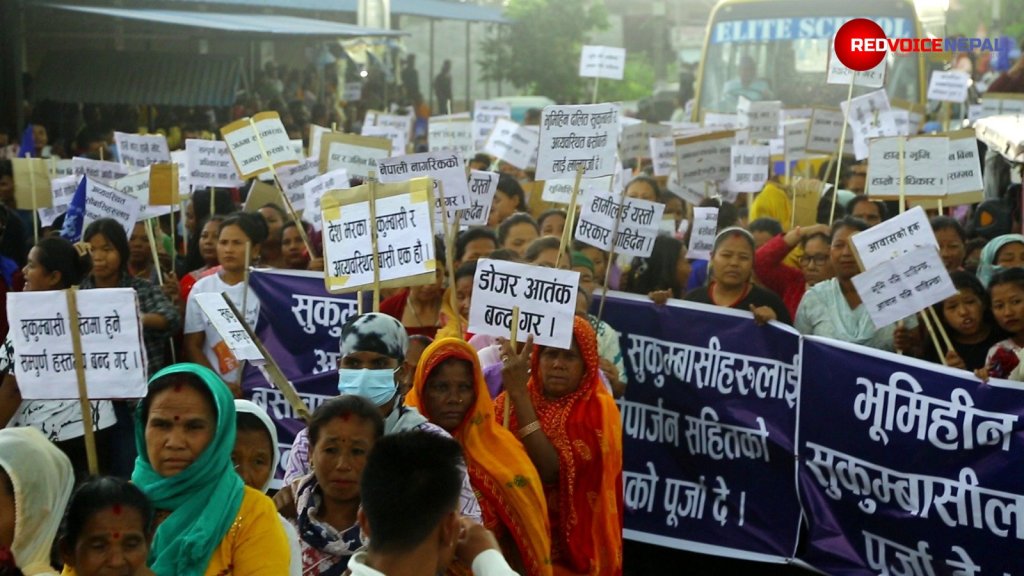
    Janakpurdham: Landless squatters staged a protest in Karmahiya of Bagmati Municipality, Sarlahi demanding housing rights and an end to forced evictions.

    The demonstration was organized by the Land Rights Forum and the All Nepal Squatters Federation. Protesters chanted slogans such as “Stop the bulldozer terror,” “Ensure the right to housing,” and “We do not want such a government.”

    According to the All Nepal Squatters Federation, Bagmati Municipality alone has around 9,000 landless squatters.

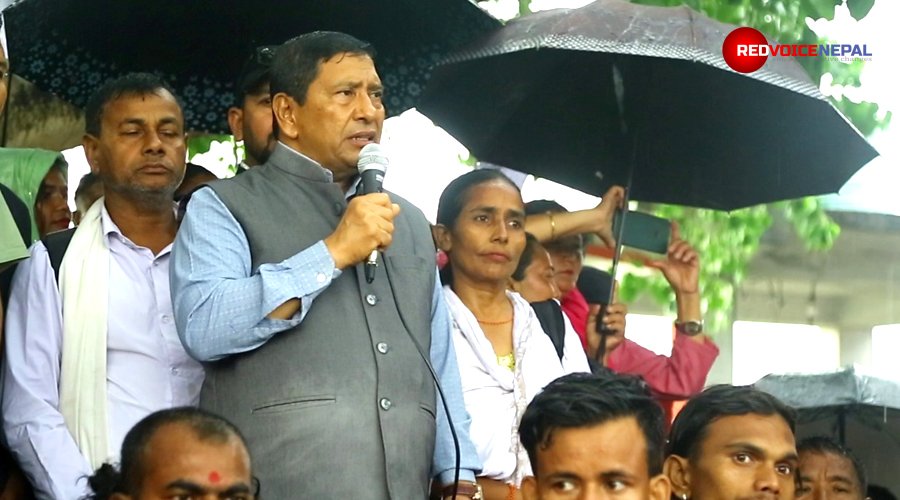
    Senior Nepal Communist Party NCP leader Narayan Kaji Shrestha also participated in the protest and addressed a corner assembly afterward.

    Speaking at the gathering, Shrestha accused the government of treating landless people in an inhumane manner.

    “If the government believes squatters are not human beings or citizens, then squatters should also be able to say you are not a government either,” he said.

    He argued that the Constitution guarantees every Nepali citizen the right to housing and claimed that evicting squatters from their settlements without proper alternatives is unconstitutional.

    Shrestha also urged landless communities to launch a resistance movement against the government, saying that truth and justice may appear weak temporarily but ultimately prevail.

    “Most authoritarian regimes emerge through elections; history around the world has shown this,” he said. “Modern society will not accept authoritarian rule that ignores public trust.”

    He further stated that, except in situations where the state urgently requires the land, squatters should be granted land ownership certificates for the places where they are currently living.

    “State land also belongs to the landless people. The land they have cultivated and struggled on should be provided to them,” Shrestha said.

  • Lawmakers Criticize Govt for Sidestepping Parliament

    Lawmakers Criticize Govt for Sidestepping Parliament

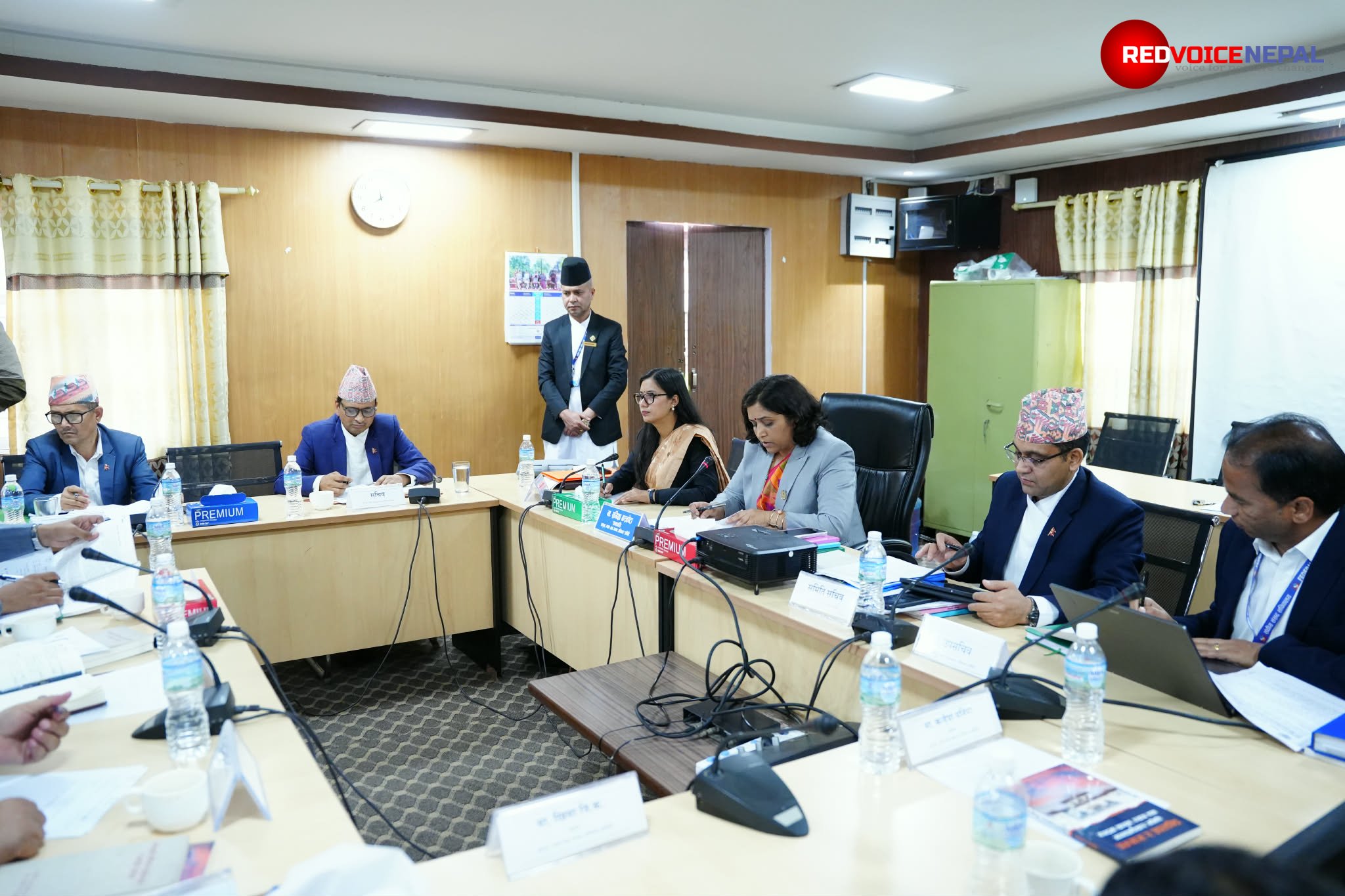
    KATHMANDU: Lawmakers from opposition parties have objected to the government’s decision to introduce an ordinance, accusing it of bypassing Parliament.

    Speaking at a meeting of the House of Representatives’ Law, Justice and Human Rights Committee held at Singha Durbar on Monday, opposition members said that bringing an ordinance despite having a near two thirds majority undermines democratic norms and parliamentary practice.

    Nepali Congress lawmaker Madan Krishna Shrestha said ordinances have been controversial in the past and urged the government not to repeat such practices.

    He stressed that rushing an ordinance by sidelining Parliament goes against democratic principles. Shrestha added that if bills are discussed thoroughly in Parliament and its committees, they are more likely to gain broader ownership and acceptance.

    Similarly, CPN-UML lawmaker Suhang Nembang said there were shortcomings in both the ordinance process and the handling of issues concerning landless (squatter) communities. He questioned what prevented the government despite its clear majority from amending or repealing outdated laws through Parliament.

    Nembang warned that bypassing Parliament through ordinances weakens democratic values, parliamentary norms, and constitutional integrity.

    He also emphasized that while there is consensus on the need to resolve the problems of landless citizens, solutions must be constitutional, lawful, humane, and include proper alternatives and rehabilitation measures.

    He added that the government should act with greater sensitivity when addressing citizens’ rights.

  • Sunday OPD Closure Triggers Surge in Patient Flow at Ktm’s Government Hospitals

    Sunday OPD Closure Triggers Surge in Patient Flow at Ktm’s Government Hospitals

    KATHMANDU: Patient flow has surged in government hospitals across the capital on Monday following the government’s decision to suspend outpatient department (OPD) services on Sundays.

    The weekend closure, introduced as part of a broader policy granting public holidays on Saturdays and Sundays to address global fuel shortages, has led to a sharp rise in patient numbers at major public health facilities. The increased influx is putting additional strain on already limited resources.

    Hospitals including Tribhuvan University Teaching Hospital, Bir Hospital, and National Trauma Center have reported long queues since early morning, with thousands of patients seeking services ranging from routine check-ups to specialized treatments.

    Medical professionals say the growing pressure is affecting service delivery. With limited manpower and infrastructure, a single physician is often required to examine between 100 to 150 patients a day far exceeding international standards that recommend 30 to 40 patients daily for quality care.

    Health workers warn that the increased workload and time constraints are making it difficult to provide adequate attention to each patient, potentially compromising the quality of care.

    Meanwhile, access to private healthcare remains out of reach for many due to high costs. Even basic consultations at private hospitals can cost thousands of rupees, forcing low- and middle-income patients to rely heavily on government facilities.

    A health department official said the situation is unlikely to improve without expanding human resources, upgrading equipment, and strengthening infrastructure in public hospitals. Enhancing services at primary healthcare centers and provincial hospitals could help ease the burden on major facilities in the capital, the official added.

    Experts have also stressed the need for effective implementation of health insurance programs, expansion of healthcare services in rural areas, and an increase in the number of medical professionals to better manage the rising demand.

  • 13th-Century Buddha Idol Reinstalled at Original Monastery on Buddha Jayanti

    13th-Century Buddha Idol Reinstalled at Original Monastery on Buddha Jayanti

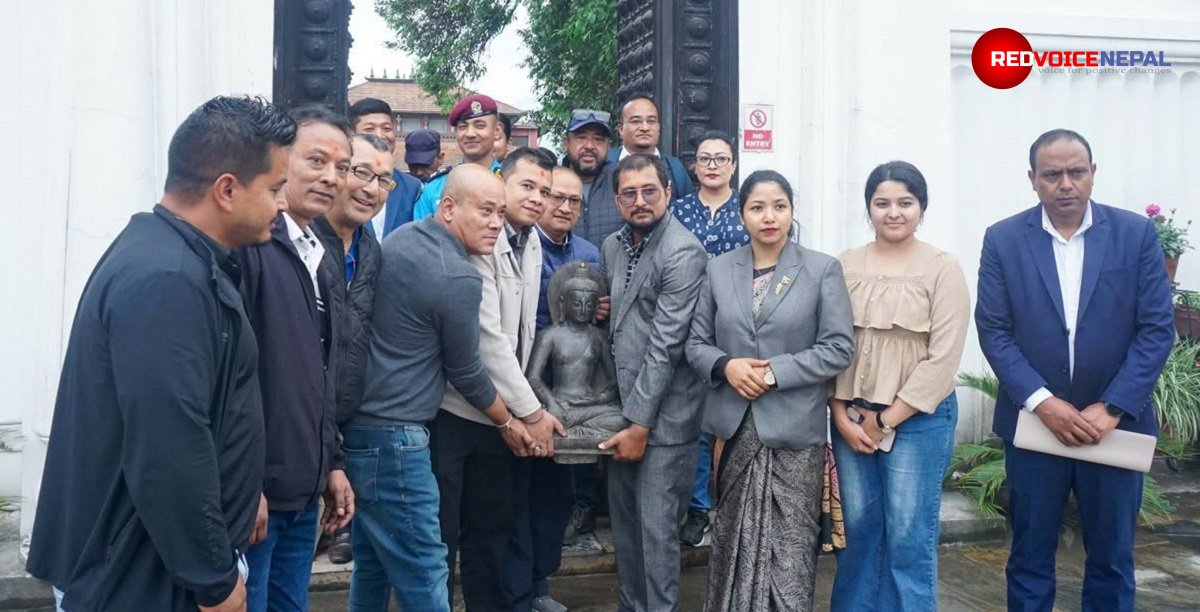
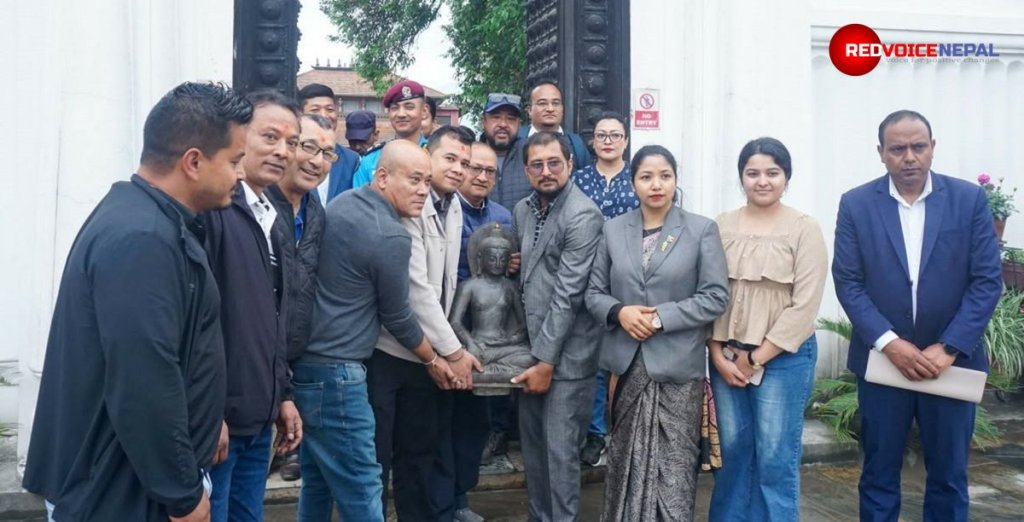
    Kathmandu: A centuries old idol of Gautam Buddha has been reinstated at its original site in Nhuchhe Baha after nearly five decades.

    The historic statue, dating back to the 13th century had been stolen in the 1980s from the monastery located in Jorganesh Ombahal Tole, Ward-13 of Kathmandu. It was repatriated to Nepal on March 2, 2022 from the Tibet House Collection in New York, United States and had since been preserved at the Department of Archaeology.

    The idol was ceremoniously reinstalled on May 1, marking the 2570th Buddha Jayanti. The event was attended by Acting Mayor Sunita Dangol, Ward Chair Macharaja Maharjan, heritage conservation activists and local Guthi members. The ceremony featured traditional music and community participation.

    Speaking at the event, Dangol emphasized that heritage idols of Nepal Mandal carry deep cultural and social significance, urging communities to remain vigilant in preserving such artifacts.

    National Museum Chief Aruna Nakarmi, along with conservationists Ganapatilal Shrestha and Sanjay Adhikari, highlighted ongoing efforts to recover and safeguard stolen heritage items as a positive step forward.

    In recent years, other significant artifacts have also been repatriated and restored. These include the Toran of Kumari Ghar, reinstalled in November 2025 and a 13th century idol of Mahagauri (Parbati) from Suryamukhi Mahadev Temple which was returned from the United Kingdom and reinstalled in April 2026.

    Kathmandu Metropolitan City has played a key role in facilitating the legal and administrative processes required for the recovery of these stolen cultural treasures.

  • Nepal Bar Terms Ordinance Move a Blow to Constitutionalism

    Nepal Bar Terms Ordinance Move a Blow to Constitutionalism

    KATHMANDU: The Nepal Bar Association has strongly objected to the government’s decision to issue ordinances after suspending a Meeting of the Federal Parliament, calling the move inconsistent with constitutional principles.

    In a statement issued by General Secretary and senior advocate Kedar Prasad Koirala, the Bar said halting a parliamentary session that had already been convened and introducing ordinances instead amounts to an attack on the rule of law and parliamentary supremacy.

    The statement noted that such actions undermine the spirit of constitutionalism and democratic norms. It further described the sudden postponement of the parliamentary session scheduled for Baisakh 17 as an attempt to bypass a representative institution, terming it an act of arbitrariness.

    Stressing the importance of due legislative process, the Bar stated that only laws enacted through Parliament an institution vested with public trust can ensure legitimacy and long-term acceptance.

    The association has urged the government to immediately withdraw the ordinances and adhere to established constitutional procedures.

Choose Your Language »